Planning is a complex and multifaceted process when you’re making arrangements for Private Event Catering. A seamless experience is achieved when these interests are balanced.
Seamlessness Is a Guest Experience, Not a Performance
Quality service is valued but guests may feel uncomfortable, if all their movements are directed. Planning helps energize connections but not to the point of feeling like a production.
Overly done plan can constrict conversation and spontaneity while a poorly done plan can cause delays and confusion in the process. A good plan provides backbone as well as flexibility with respect to human resources on the ground.
The Menu Is a Negotiation between Preference and Practicality
Food has personal and cultural value and selecting what to feed can be one of the most delicate aspects of planning. There may be allergens or dietary issues.
It is not only a challenge to try preparing each dish for every preference, it is also a challenge to please everyone after preparing a single dish. A long menu may appear to be a full menu and make it more complicated to prepare, may lead to more waste and may make service inconsistencies more problematic. As long as a well-planned menu provides some variety and accommodates known special dietary requirements, it can become a unified meal.
The service approach also affects the potential of a menu. Plated dining provides control over presentation/course timing, while buffet renditions make guest choice and food self-serve a possibility. None is necessarily superior; it will depend on the group, room and ambiance.
Space and Atmosphere Shape What Is Possible
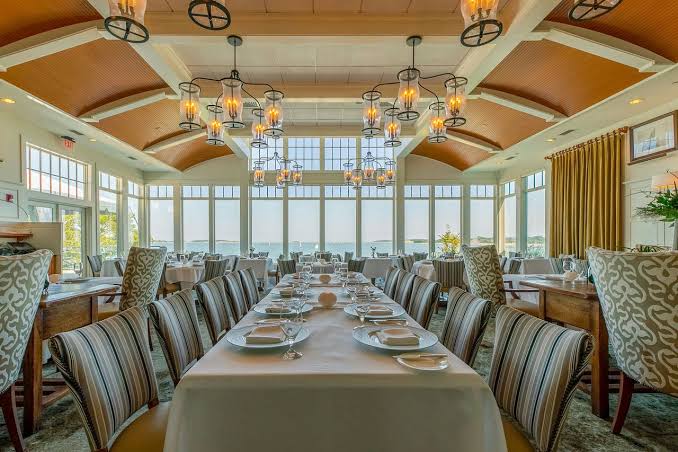
What can be fed in the kitchen is determined by its access, storage, light, seating, and layout. There may be certain menus that can be hard to duplicate in a home or outdoor environment based on what is prepared in a restaurant kitchen.
It also has an impact on the behavior of the guests. Short tables have more room for discussion in a small group. However, it may feel cramped at a large event. Long tables allow for more space and may be easier for service. But it limits the connection of a small group to each other.
The Secret behind Hospitality
There are several interdependent tasks in this secret system. Some of these tasks include the following:
- Host provides a briefing on the event, welcoming of guests, program, and stated preferences.
- Catering team verifies the format of the catering service, quantities, menu, dietary requirements and equipment.
- Venue and staff sets out access, set up, guest movement and clean up.
- One contact is responsible for changes; instructions are not spread out.
Timing, Safety, and the Responsibility of Care
It is challenging to schedule guests as they do not have a set schedule. Speeches can be extended, register may be late, and sorting may still continue following the end of a course. Setting a strict schedule may make it feel rushed and no schedule can lead to guests standing around and food spoiling.
Atmosphere and convenience cannot be compromised when it involves food safety. Hot buffet foods should be kept at 140°F or above and cold foods at 40°F or below. Perishable foods left at room temperature for two hours or one hour when temperatures are above 90°F is recommended by the USDA. The equipment, storage, and replenishment are based on these requirements.
Why Flexibility Matters as Much as Preparation
One of the common misconceptions is that an event which is flawless is without change at all. Actually, it’s a social event and its dynamics can change once the guests are present. A proactive plan is a planned approach and not a plan for failure.
The flexibility has nothing to do with randomness or lack of control. It is the ability to know what can and cannot move. This doesn’t just include the sequence of a speech. It also includes when to place the dessert versus the arrangement of safety: e.g., safe food handling, confirmed allergy precautions, etc. This allows the host to be the hind while the team retains their responsibilities.
The bottom line is that seamless dining and a perfect event depend on both hospitality and logistics in its planning process. A variety of different factors have been added to the menu, control of the guest room design, their expectations, timing, and food safety all factor into one another. So, no single factor is guaranteed to make it work. These elements work together without any demands for the attention of the strongest events.
Seamless dining doesn’t have to be a flawless performance or an evening kept perfectly in check. It should signify guest comfort, the host’s happiness, and practical considerations are well managed. Then, the meal is integrated into the overall process of planning for those outcomes, rather than into the program.