Key Takeaways
- Halal catering involves strict ingredient sourcing and verification procedures.
- Kitchen workflows are designed to maintain halal compliance and food safety.
- Quality control checks take place throughout food preparation and packing.
- Logistics and event coordination are critical to successful service delivery.
- Halal catering in Singapore requires careful planning from procurement to event execution.
Introduction
Most event guests only see the final result of a catering service: the food, buffet setup, and serving staff. However, a significant amount of work takes place behind the scenes before meals reach the venue. A halal catering operation involves multiple departments working together to ensure food is prepared, transported, and served according to halal requirements and food safety standards. From ingredient sourcing to event setup, every stage requires coordination, documentation, and operational discipline. Understanding these processes provides a clearer picture of what is involved in delivering professional halal catering services in Singapore.
Sourcing Halal-Compliant Ingredients
The process begins long before cooking starts. Catering companies must first source ingredients from approved suppliers. This approach includes meat, poultry, dairy products, seasonings, sauces, and processed foods used in menu preparation. Procurement teams review supplier documentation and verify that ingredients meet halal requirements before purchasing.
Ingredient verification is an important part of operations because a single non-compliant product can affect the entire production process. Catering companies often maintain records of approved suppliers and conduct regular reviews to ensure consistency. This stage helps establish a reliable supply chain and reduces risks during food production.
Food Preparation and Kitchen Operations
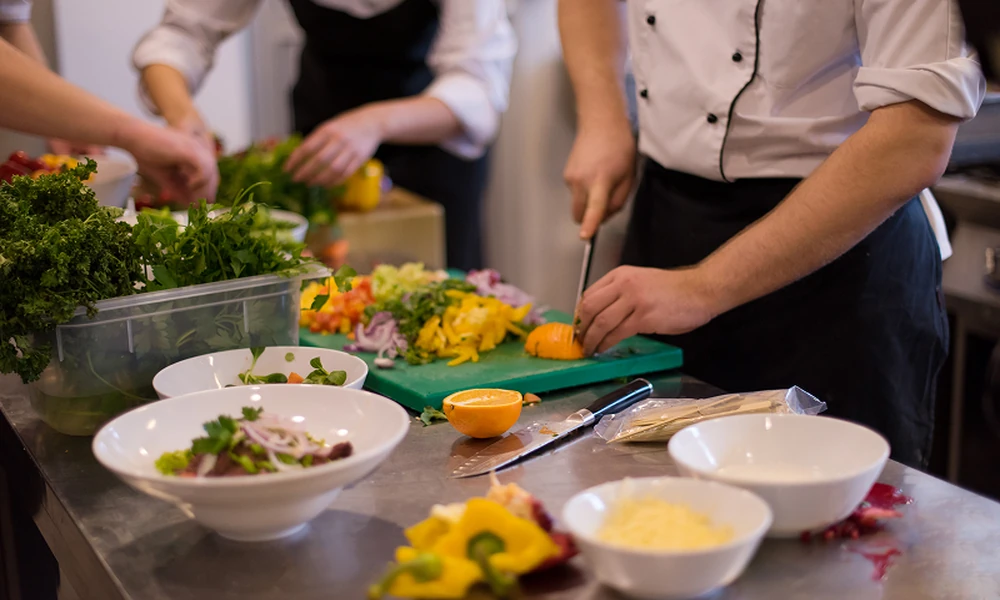
Once ingredients arrive at the catering facility, they are inspected, stored, and prepared according to established procedures. Kitchen staff organise ingredients carefully to support efficient production while maintaining hygiene standards. Storage areas are monitored to ensure proper temperature control and food safety compliance.
Preparation often begins one or two days before an event, depending on its size. Vegetables are washed and portioned, proteins are prepared, and sauces are produced in batches. Large-scale catering kitchens frequently handle hundreds of portions at a time, requiring detailed production schedules and coordinated teamwork.
Kitchen supervisors oversee operations to ensure preparation timelines are met. They also monitor cleanliness, equipment usage, and workflow efficiency to keep production running smoothly throughout the day.
Quality Control Before Delivery
Once cooking begins, quality control becomes a key focus. Catering teams conduct checks throughout production to verify food consistency, taste, appearance, and portion sizes. These inspections help ensure that every dish meets the intended menu specifications.
Food safety checks are also performed before packing. Temperatures are monitored, packaging materials are prepared, and meals are organised according to delivery requirements. Any issues identified during inspections can be corrected before food leaves the facility, helping prevent service disruptions later.
This stage is particularly important for large events where a single production issue could affect hundreds of guests.
Logistics and Transportation
Transportation is one of the most critical parts of a halal catering operation in Singapore. Food must arrive at the venue on time and in suitable condition for service. Catering teams prepare detailed logistics plans that include delivery schedules, travel routes, vehicle assignments, and venue access arrangements.
Food is packed using containers designed to maintain appropriate temperatures during transit. Serving equipment, utensils, and event materials are also loaded according to a structured checklist. Meanwhile, for larger functions, multiple vehicles may be required to transport both food and operational equipment.
Careful logistics planning helps ensure that food quality is maintained from the kitchen to the event venue.
Event Setup and Service
Upon arrival, catering staff begin setting up buffet stations, food displays, and service areas. Team members coordinate with event organisers to ensure the layout matches the event requirements. Final checks are conducted before guests arrive.
Staff monitor food levels, replenish dishes, and maintain cleanliness around serving stations during service. Supervisors oversee operations to address unexpected issues and ensure service proceeds according to schedule. Behind the scenes, communication between the kitchen, logistics, and service teams remains important until the event concludes.
Conclusion
A halal catering operation involves much more than preparing food. It requires coordinated efforts in procurement, kitchen management, quality control, transportation, and event execution. Every stage plays a role in ensuring meals are delivered safely, efficiently, and according to halal requirements. The success of halal catering in Singapore depends on the ability to manage these behind-the-scenes processes consistently from start to finish.
Contact Orange Clove to work with a catering provider that understands the operational processes behind successful halal food preparation, delivery, and service.